Wasp Identification
Wasps
Wasps are common flying insects that become especially active during the warmer months. While they play an important role in the environment, they can become a serious nuisance when they build nests close to homes, gardens, businesses, or public areas. Learning how to identify wasps and recognize the early signs of a nest can help you avoid painful stings and prevent larger infestations.
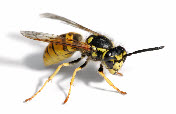
Wasps are usually yellow and black with slim bodies, narrow waists, and smooth skin. Unlike bees, they can sting multiple times and may become aggressive when they feel their nest is threatened.
Common Wasps Found in the UK
The most common wasp species found in the UK are social wasps, which live together in colonies that can contain thousands of workers.
Worker wasps usually grow up to 19 mm in length and are commonly seen in gardens, parks, outdoor dining areas, and around bins during the summer.
How to Identify a Wasp Nest
Wasps build paper-like nests by chewing wood fibres and mixing them with saliva. These nests are often found in:
- Roof spaces and lofts
- Wall cavities
- Garages and sheds
- Trees and bushes
- Under roof eaves
- Bird boxes
- Underground burrows
A wasp nest can grow rapidly throughout the summer, with thousands of wasps living inside by the end of the season.
Signs of a Wasp Infestation
You may have a wasp nest nearby if you notice:
- Large numbers of wasps flying around one area
- Wasps repeatedly entering and leaving a small hole
- A grey paper-like nest
- Increased wasp activity around food and drinks
- Buzzing sounds from walls or roof spaces
Are Wasps Dangerous?
Wasps become more defensive as their colony grows. Disturbing a nest can cause multiple wasps to attack at once.
Their stings are painful and may cause swelling, allergic reactions, or, in rare cases, severe medical emergencies for people with wasp venom allergies.
For your safety, avoid attempting to remove a wasp nest yourself.
If you discover a wasp nest on your property, keep a safe distance and avoid disturbing it. Do not block the entrance or spray the nest without professional advice, as this can make the wasps more aggressive.
Our experienced team provides reliable Wasp Control Services across London, safely removing nests from homes and commercial properties.
Flying ants are often mistaken for wasps because they appear during the warmer months and can gather in large numbers. If you are unsure which insect you have seen, visit our Ant Identification guide to learn how to tell the difference and recognize the signs of an ant infestation.
Take control of your pest problems now. For free quote/estimate, call us on
020 3949 0073 (Freephone) or contact us now!