Eco-friendly pest control methods are defined as prevention-focused strategies that use physical barriers, biological agents, and plant-derived products to manage pests without synthetic chemicals. The most effective framework for applying these methods is Integrated Pest Management (IPM), which combines exclusion, monitoring, and targeted natural treatments to reduce pest pressure long-term. Tools like Bacillus thuringiensis (Bt), diatomaceous earth, and beneficial nematodes sit at the heart of this approach. Physical exclusion alone can remove 50% or more of pest pressure before any product is ever applied. That single fact changes how you should think about pest control at home.
1. Seal entry points: the most effective eco-friendly pest control method
Sealing entry points and managing moisture forms the foundation of sustainable pest management, providing lasting results without any chemical maintenance. Mice slip through gaps as small as a 10p coin. Cockroaches squeeze under doors with worn seals. Ants follow moisture trails through hairline cracks in skirting boards. Pests have no trouble finding a way in when a home gives them one.
Physical exclusion addresses the root cause rather than the symptom. Here is where to focus first:
- Doors and windows: Fit draught excluders and repair damaged mesh screens.
- Pipes and cables: Use expanding foam or copper mesh where utilities enter walls.
- Roof and loft spaces: Check for loose tiles, gaps around fascia boards, and open eaves.
- Kitchen and bathroom: Fix dripping taps and repair grout to eliminate moisture sources that attract cockroaches and silverfish.
Moisture control deserves equal attention. Dehumidifiers in damp basements and prompt repair of leaking pipes remove the conditions that attract woodlice, fungus gnats, and rodents. Copper mesh and physical sealants are particularly effective against slugs and snails in ground-floor areas, as copper delivers a mild electrical charge that deters them on contact.
Pro Tip: Inspect the exterior of your home at dusk with a torch. Pests are most active at low light, and you will spot entry points you would miss in daylight.
2. Biological controls: using living organisms to manage pests
Biological control is the deliberate use of living organisms, including beneficial nematodes, parasitic wasps, and microbial insecticides, to reduce pest populations. It is one of the most targeted natural pest control techniques available, with minimal impact on non-target species when applied correctly.
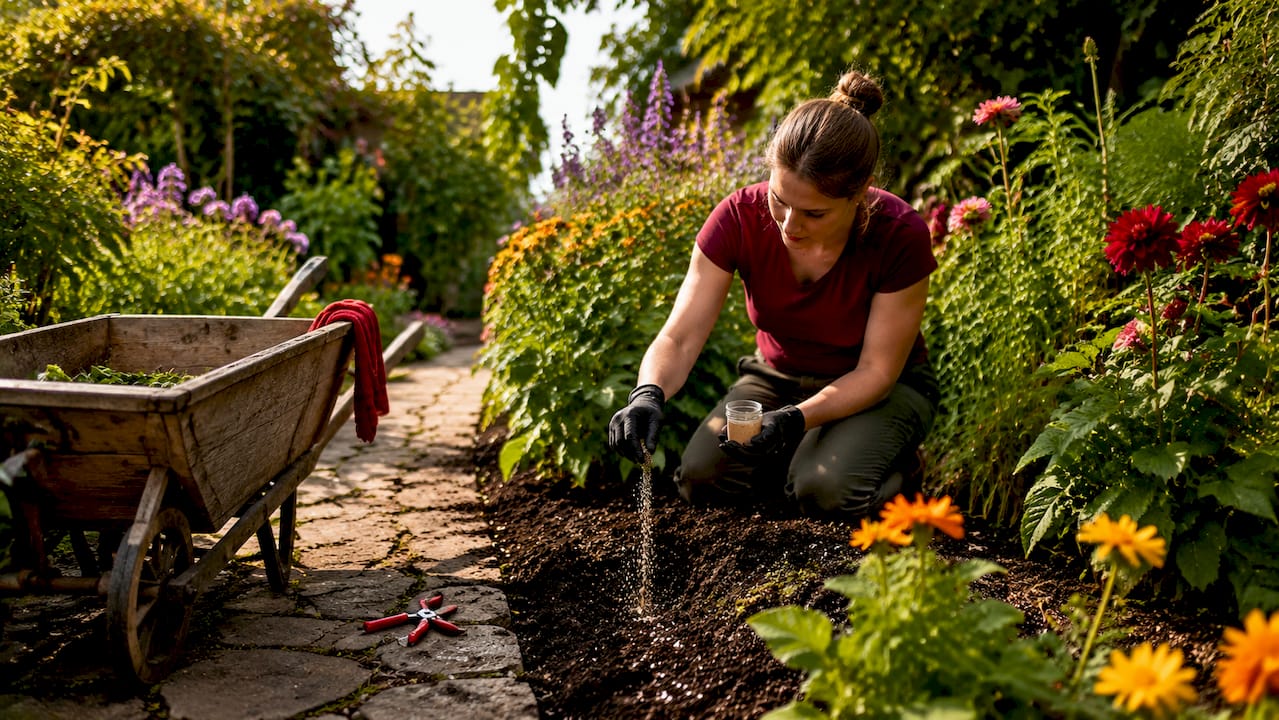
Beneficial nematodes are microscopic roundworms that parasitise soil-dwelling pests like vine weevil larvae, leatherjackets, and chafer grubs. Timing and temperature matter enormously here. Steinernema species are active from 5°C, making them suitable for early spring applications in the UK. Heterorhabditis species require soil above 12°C for optimal performance, so late spring through summer is their window. Apply them to moist soil in the evening and water them in well.
Bacillus thuringiensis (Bt) is a naturally occurring soil bacterium that produces proteins toxic to specific insect larvae. Bt var. kurstaki targets caterpillars on brassicas and ornamentals. Bt var. israelensis controls mosquito and fungus gnat larvae in standing water. Neither strain harms mammals, birds, or earthworms, which makes Bt one of the most environmentally safe pest strategies available to home gardeners.
Parasitic wasps such as Encarsia formosa control greenhouse whitefly by laying eggs inside whitefly nymphs. Ladybirds and lacewings consume aphids at impressive rates. Spiders, ground beetles, and hedgehogs all contribute to natural pest suppression in garden environments.
Pro Tip: Apply biopesticides in the evening to maximise efficacy. UV light and heat degrade many biological products rapidly, so morning or midday application significantly reduces their effectiveness.
3. Botanical and natural products: what actually works
Plant-derived pest control products range from genuinely effective to largely overstated. Understanding which home remedies for pests deliver real results, and which ones fall short, saves you time and money.
Neem oil is extracted from the seeds of the neem tree (Azadirachta indica) and disrupts the hormonal systems of insects, preventing larvae from maturing. It works well against aphids, spider mites, and whitefly when applied as a foliar spray every seven to fourteen days. Neem oil degrades quickly in sunlight, so evening application is again the right approach.
Spinosad is derived from a soil bacterium and is highly effective against thrips, caterpillars, and leaf miners. However, spinosad is toxic to bees when wet and must be sprayed in the evening once flowers have closed. This is a critical caution that many product labels understate. Natural does not automatically mean safe for all wildlife.
Diatomaceous earth (DE) is a powder made from fossilised algae. Food-grade DE damages the exoskeletons of crawling insects like ants, cockroaches, and bed bugs, causing them to dehydrate. Apply it as a thin, dry layer in areas where pests travel. Avoid inhaling it during application, as the fine particles irritate the lungs. DE loses effectiveness when wet, so it is unsuitable for outdoor use in the UK’s damp climate without reapplication after rain.
Essential oil sprays using peppermint, clove, or eucalyptus oil can repel certain insects, but their effect is short-lived. Plant essential oils disrupt pest physiology through multiple modes of action, which reduces the likelihood of pests developing resistance. That said, repellence is not extermination. Use essential oil sprays as a deterrent alongside other methods, not as a standalone organic pest solution.
| Product | Best used for | Key limitation |
|---|---|---|
| Neem oil | Aphids, spider mites, whitefly | Degrades in sunlight; reapply regularly |
| Spinosad | Thrips, caterpillars, leaf miners | Toxic to bees when wet |
| Diatomaceous earth | Ants, cockroaches, crawling insects | Ineffective when damp |
| Essential oil sprays | Short-term repellence | Does not kill; effect fades quickly |
| Bt (Bacillus thuringiensis) | Caterpillars, mosquito larvae | Strain-specific; no residual activity |
4. Integrated Pest Management (IPM): the gold standard for sustainable pest control
Integrated Pest Management is the professional framework that combines all eco-friendly approaches into a structured, repeatable system. IPM does not rely on a single method. It uses inspection, monitoring, targeted intervention, and follow-up to keep pest populations below a threshold where they cause real damage, without unnecessary chemical use.
The core IPM cycle for homeowners looks like this:
- Inspect: Walk your property regularly. Look for droppings, gnaw marks, damaged plants, and entry points. Early detection prevents small problems from becoming infestations.
- Identify: Confirm the pest before acting. Treating for the wrong species wastes time and money, and can harm beneficial insects.
- Set a threshold: Not every aphid colony requires treatment. Decide at what point the pest causes unacceptable damage, then act only when that threshold is crossed.
- Choose the least disruptive method first: Start with exclusion and habitat modification, then biological controls, then botanical products, and only use targeted chemical treatments as a last resort.
- Monitor and follow up: Check whether your intervention worked. Adjust if needed.
Pheromone-based monitoring tools are non-toxic and species-specific, making them ideal for the monitoring stage of IPM. Sticky pheromone traps for moths, for example, tell you whether a population is present and how large it is, without harming any other organism.
You do not need professional equipment to run a basic IPM programme at home. A notebook for recording observations, a torch, and a few targeted products are sufficient. The discipline is in the process, not the tools.
Pro Tip: Keep a simple pest diary. Note dates, locations, and pest types. Patterns emerge quickly, and you will start to predict and prevent problems rather than react to them.
5. Comparing green pest prevention methods: when to use each approach
Choosing the right method depends on the pest, the environment, your budget, and how quickly you need results. This comparison covers the most common scenarios homeowners face.
| Method | Best for | Environmental impact | Cost | Speed of results |
|---|---|---|---|---|
| Physical exclusion | Rodents, ants, cockroaches | Very low | Low to medium | Immediate prevention |
| Beneficial nematodes | Vine weevil, leatherjackets, chafer grubs | Very low | Medium | 2 to 4 weeks |
| Bt microbial insecticide | Caterpillars, mosquito larvae | Very low | Low | 3 to 5 days |
| Neem oil | Aphids, mites, whitefly | Low | Low | 1 to 2 weeks |
| Diatomaceous earth | Ants, cockroaches, crawling insects | Low | Very low | Days to weeks |
| Pheromone traps | Moths, beetles (monitoring) | Negligible | Low | Monitoring only |
| Spinosad | Thrips, caterpillars | Low (caution near bees) | Medium | 1 to 3 days |
For ants, start with exclusion. Seal entry points, remove food sources, and apply diatomaceous earth along trails. If the colony is established indoors, a targeted bait station using boric acid gel is the most effective next step.
For slugs and snails, copper tape around raised beds and nematode treatments (Phasmarhabditis hermaphroditis) applied to moist soil in late summer deliver reliable control without harming birds or hedgehogs that feed on slugs.
For caterpillars on brassicas, Bt var. kurstaki is the most targeted option available. It kills caterpillars within days and leaves no residue harmful to other garden wildlife.
Budget matters too. Physical exclusion has the highest upfront cost if you are sealing an older property, but it pays for itself by reducing the need for repeated treatments. Biological controls like nematodes are a recurring seasonal cost, while diatomaceous earth and essential oils are among the most affordable options per application. For guidance on managing pest control costs across a property, it is worth planning treatments around seasonal pest cycles rather than reacting to each outbreak individually.
Key takeaways
The most effective eco-friendly pest control combines physical exclusion, biological agents, and targeted natural products within an IPM framework to deliver lasting results without harming the environment.
| Point | Details |
|---|---|
| Exclusion comes first | Sealing entry points and controlling moisture removes over half of pest pressure before any product is needed. |
| Biological controls are highly targeted | Nematodes, Bt, and parasitic wasps affect specific pests and leave beneficial organisms unharmed. |
| Natural does not always mean safe | Spinosad harms bees when wet; always check timing and application method before use. |
| IPM outperforms single methods | Combining inspection, monitoring, and layered treatments delivers better long-term outcomes than any one approach. |
| Patience is part of the process | Biological controls take weeks to work; premature chemical intervention disrupts predator-prey balance. |
Haroon’s take: what most guides get wrong about natural pest control
Most articles on this subject treat natural pest control as a simple swap: replace a chemical spray with a natural one, and you are done. That framing misses the point entirely.
The biggest mistake I see homeowners make is applying a natural product once, seeing pests return within a week, and concluding that eco-friendly methods do not work. What they have actually done is skip the inspection and exclusion steps, then used a repellent where they needed a control. A peppermint spray on an ant trail does not address the colony. Sealing the entry point and removing the food source does.
Natural predators often cause a temporary spike in visible pest numbers before populations stabilise. This is normal. Ladybirds, ground beetles, and parasitic wasps need time to establish. If you spray the moment you see aphids increasing, you kill the predators arriving to manage them. The patience required here is real, and it is the part no product label tells you.
The other overlooked strategy is habitat creation. A log pile, a patch of long grass, or a small pond does more for long-term pest suppression than most products. These features attract ground beetles, frogs, hedgehogs, and birds that consume pests continuously, without any effort or cost on your part. Timing and application method matter as much as product choice. Evening application, correct soil temperature for nematodes, and dry conditions for diatomaceous earth are not optional details. They are the difference between a method that works and one that does not.
— Haroon
How Quick Pest Control London can help
Quick Pest Control London applies the same IPM principles covered in this article, but with the expertise to identify pest species accurately, assess infestation severity, and select the most appropriate low-impact treatment from the outset. For homeowners dealing with established infestations, professional inspection removes the guesswork and gets results faster than trial-and-error with off-the-shelf products.
The team at Quick Pest Control London uses qualified technicians and targeted treatments that prioritise environmental safety alongside effectiveness. Whether you are facing a rodent problem, a recurring ant infestation, or a bed bug issue, their approach avoids unnecessary chemical use wherever possible. Explore the full range of eco-friendly pest solutions or get in touch for a callback within the hour.
FAQ
What is the most effective eco-friendly pest control method?
Physical exclusion, which means sealing entry points and controlling moisture, is the single most effective starting point. It removes 50% or more of pest pressure before any product is applied.
Are natural pest control products safe for children and pets?
Most are significantly safer than synthetic pesticides, but not all are risk-free. Diatomaceous earth irritates the lungs if inhaled, and spinosad is toxic to bees when wet. Always read the label and apply products in the evening when children and pets are indoors.
How long do biological controls take to work?
Beneficial nematodes typically show results within two to four weeks, depending on soil temperature and pest density. Bt microbial insecticide works faster, usually within three to five days of ingestion by target larvae.
Can I use eco-friendly methods for a serious infestation?
For established infestations, natural methods work best as part of a structured IPM programme. Severe infestations, particularly of rodents or bed bugs, often benefit from professional assessment to confirm the extent of the problem before treatment begins.
Do essential oils actually repel pests?
Essential oils disrupt pest physiology and can act as short-term repellents, but they do not eliminate infestations. Use them as a deterrent alongside exclusion and biological controls for best results.